
Injury
Injury Comparison
When it comes to player safety, modern natural grass fields stand out as the superior choice compared to artificial turf. Studies have shown that artificial turf can lead to a higher incidence of injuries, including sprains, strains, and concussions, primarily due to the harder surface and reduced shock absorption of plastic materials. In contrast, natural grass provides a softer, more forgiving surface that helps reduce the risk of injuries, allowing athletes to perform at their best while minimizing downtime. Additionally, the long-term costs associated with artificial turf—such as increased injury-related healthcare expenses and higher replacement rates—can significantly outweigh the initial installation investment. By choosing natural grass, sports facilities prioritize player safety and well-being, making it a smart choice for athletes and organizations alike.
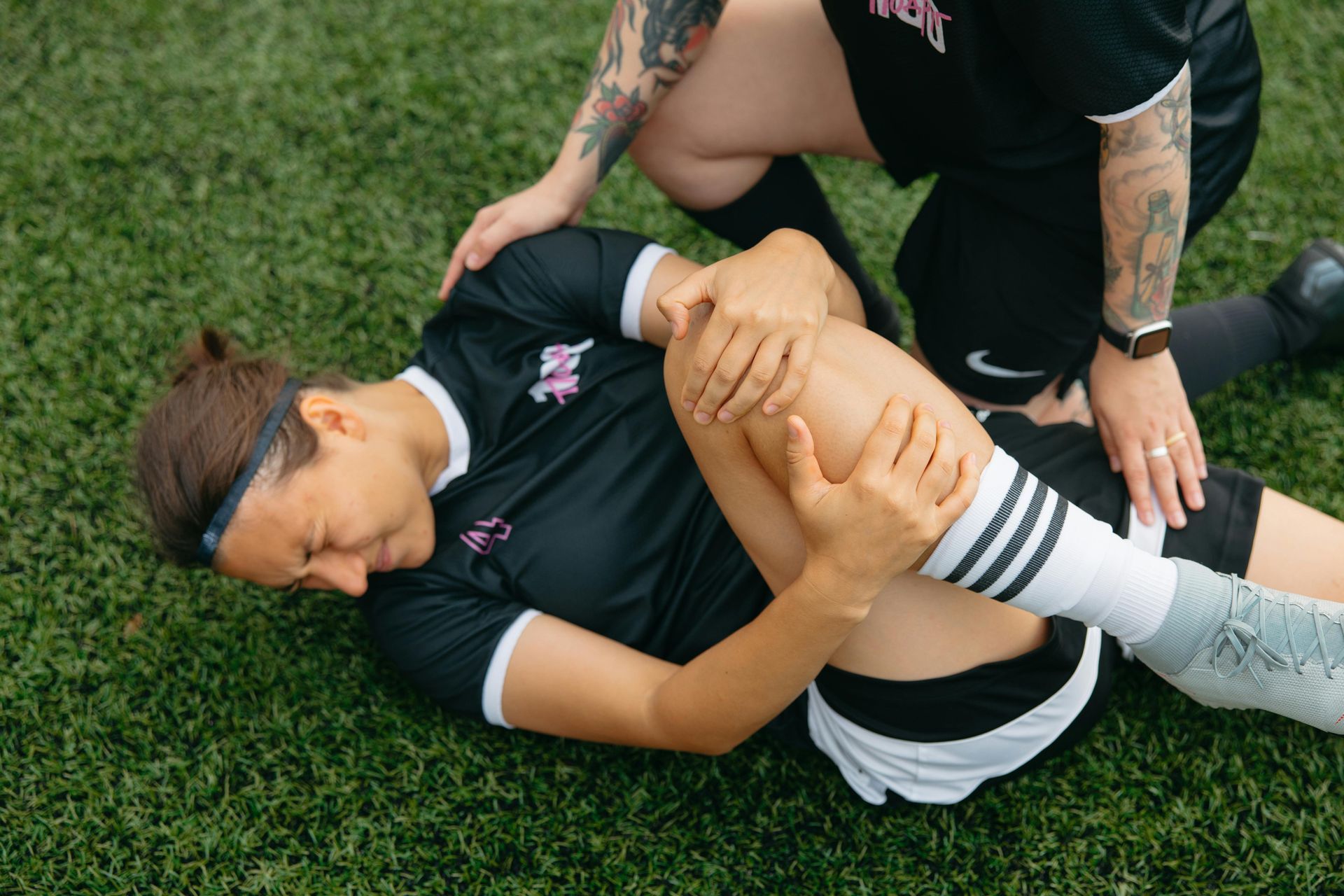
Scientific studies and professional athlete surveys show significant safety differences.
Common Issues: Increased risk of non-contact injuries, "turf burn," and concussions due to surface hardening over time.
Infection Risk: Higher risk of MRSA and staph infections on plastic surfaces.
Table Reference: Summary of athlete survey results showing that 90% of NFL players prefer natural grass.
Facts
Environmental BenefitsCarbon
- Sequestration & Air Quality: Turfgrass captures \(\approx 300\text{ lbs}\) of carbon dioxide annually, trapping dust and pollutants. A 2,500 sq ft lawn produces enough oxygen for a family of four.
- Water Management & Filtration: Grass absorbs rainfall 4-6 times more effectively than hay or wheat fields. Roots hold soil in place, preventing erosion.
- Cooling Effect: Natural grass significantly reduces the urban heat island effect, staying 14-30 degrees cooler than bare soil or artificial turf.
- Biodegradation: Microbes in the root zone break down contaminants from rain runoff.
Athletic & Safety Benefits
- Reduced Injury Risk: Natural grass is more forgiving, reducing the risk of joint, muscle, and ligament injuries compared to harder synthetic surfaces.
- Fewer Abrasions: Eliminates "turf burn" associated with synthetic fibers.
- Temperature Safety: Stays significantly cooler, minimizing heat-related illness in athletes.
Economic & Sustainability Benefits
Long-Term Sustainability: Unlike synthetic turf, which requires costly replacement and landfill disposal, well-maintained natural grass can thrive for decades.Cost-Effective Management: Organic maintenance techniques (aeration, composting) build healthy, resilient soil that requires fewer inputs.Community Health BenefitsNoise and Glare Reduction: Grass softens noise, reducing it by \(40\%\) compared to hard surfaces, and reduces glare.Therapeutic Value: Provides safe green space for recreation.
Journals / Studies
Describe the item or answer the question so that site visitors who are interested get more information. You can emphasize this text with bullets, italics or bold, and add links.Legislation
Describe the item or answer the question so that site visitors who are interested get more information. You can emphasize this text with bullets, italics or bold, and add links.
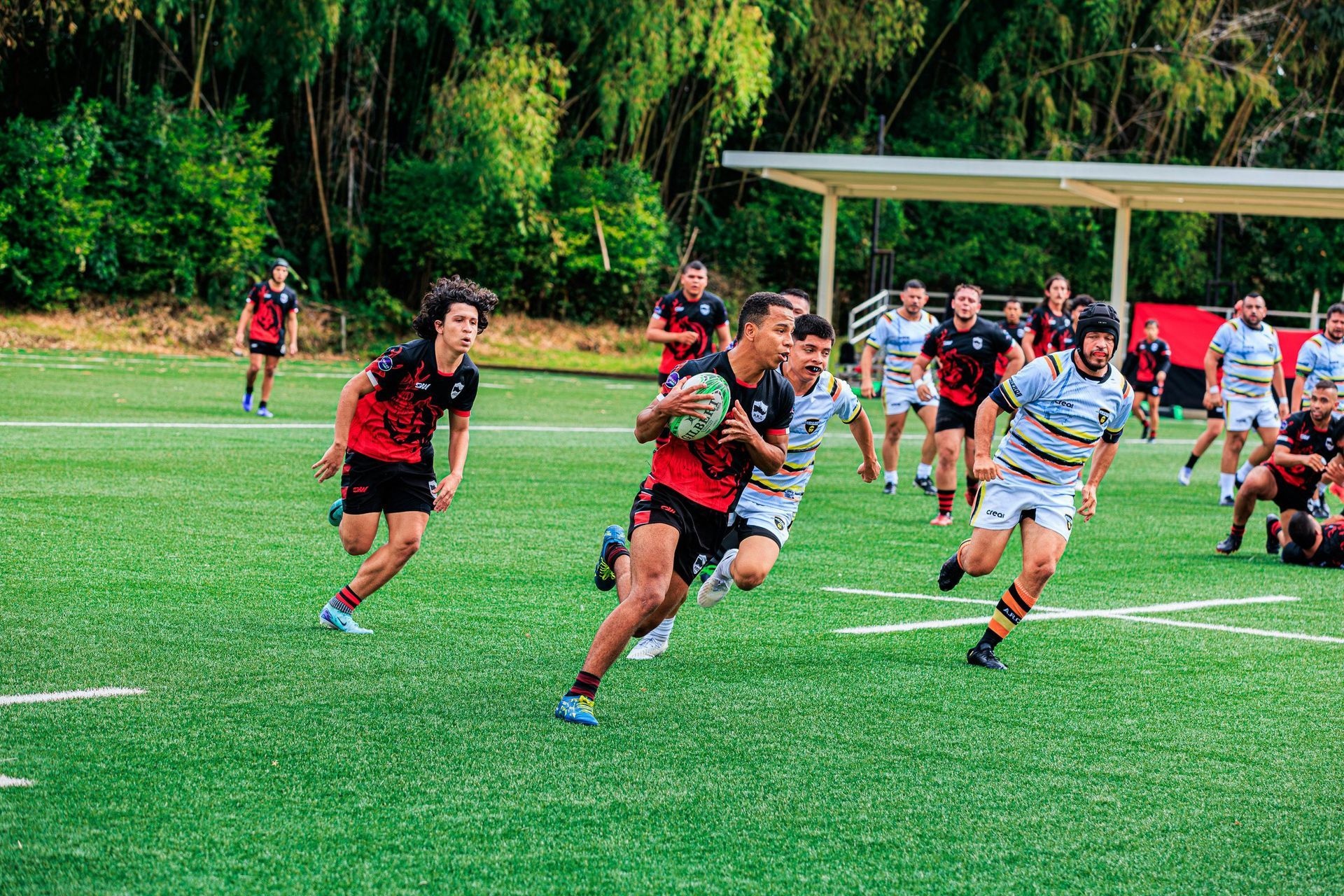
Natural Grass Playing Field
Semi professionals

Natural Grass Playing Field
High School Athletes
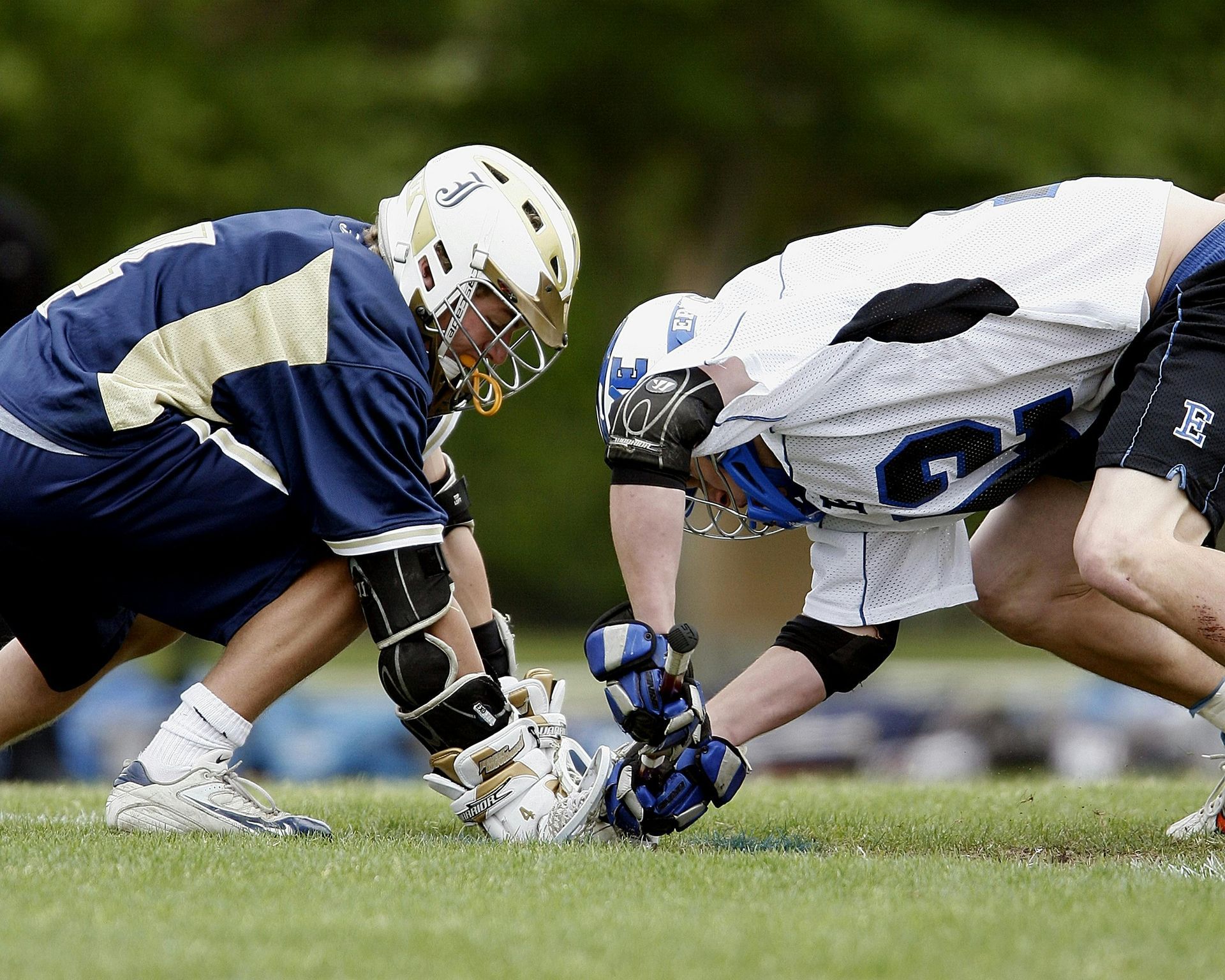
Natural Grass Playing Field
College Athletes