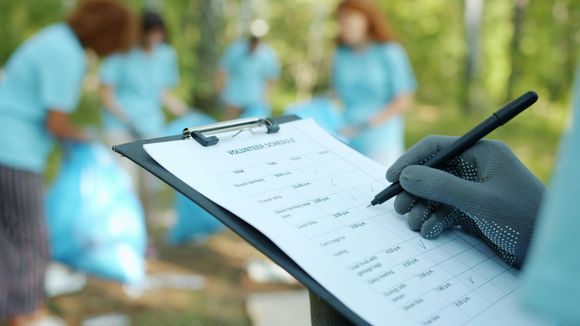


Protecting Our Children,
Athletes, Communities, and Planet.
Safe Healthy Playing Fields (SHPF) provides science-based facts to help communities choose natural grass over synthetic turf surfaces.
Synthetic fields are sold as an alternative to natural grass, but in reality, these plastic fields introduce a host of serious well-documented problems.
These surfaces can reach dangerously high temperatures, creating unsafe conditions for athletes and children alike. They are typically made with materials like plastics and tire waste which can contain toxic chemicals that raise legitimate health concerns.
Research has also shown that artificial turf is associated with a higher risk of injuries, including joint damage, ligament strain, and skin abrasions, compared to natural grass.
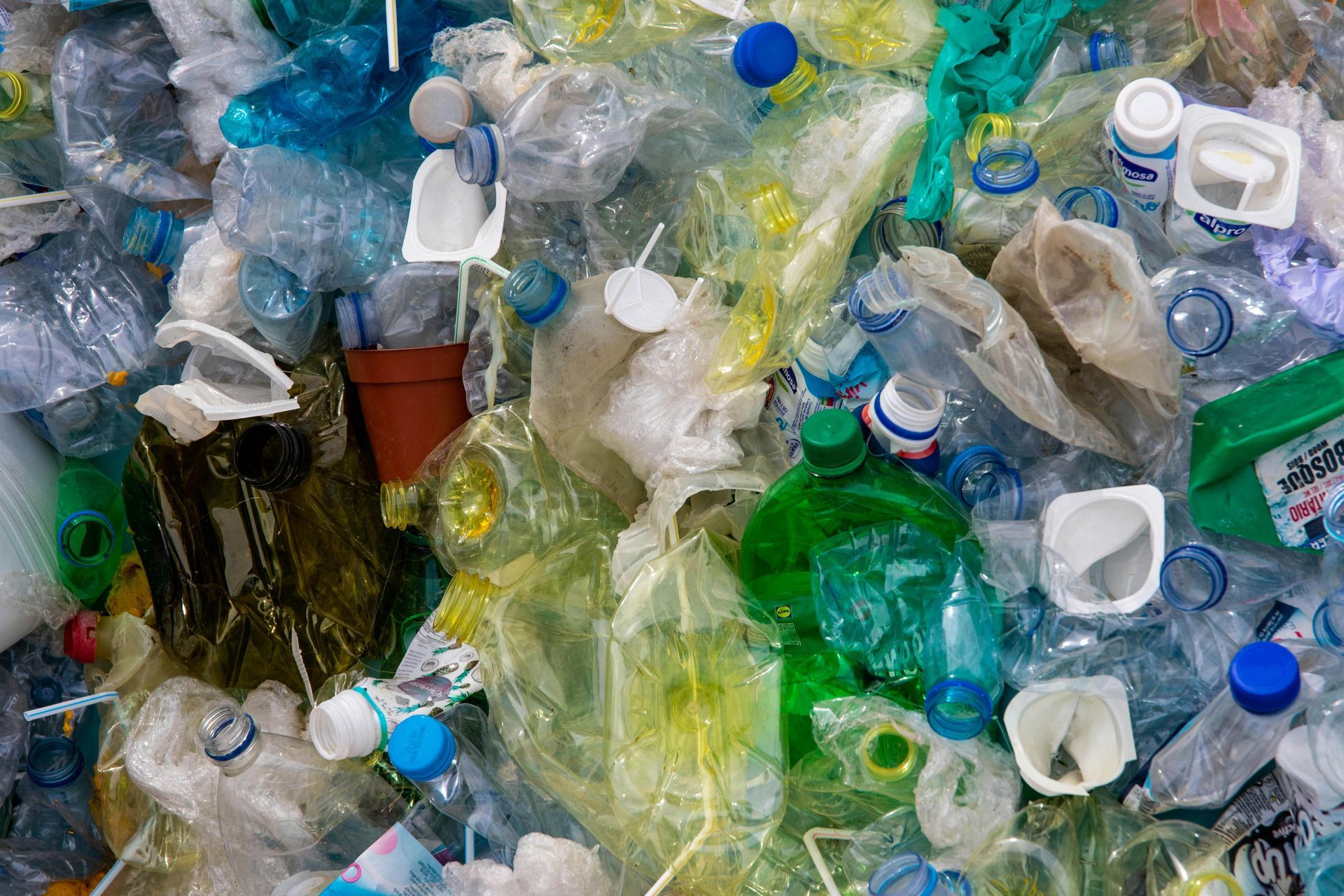
Environmentally, synthetic fields are a clear source of plastic pollution, shedding microplastics into soil and waterways over time. Despite their supposed durability, they are expensive to install and require costly replacement every few years. Even worse, once they reach the end of their lifespan, most synthetic turf cannot be recycled, leaving communities with the burden of disposal and adding to already growing landfill waste.
Our Pillars

Health
Protecting athletes & children from toxins, injury & extreme heat
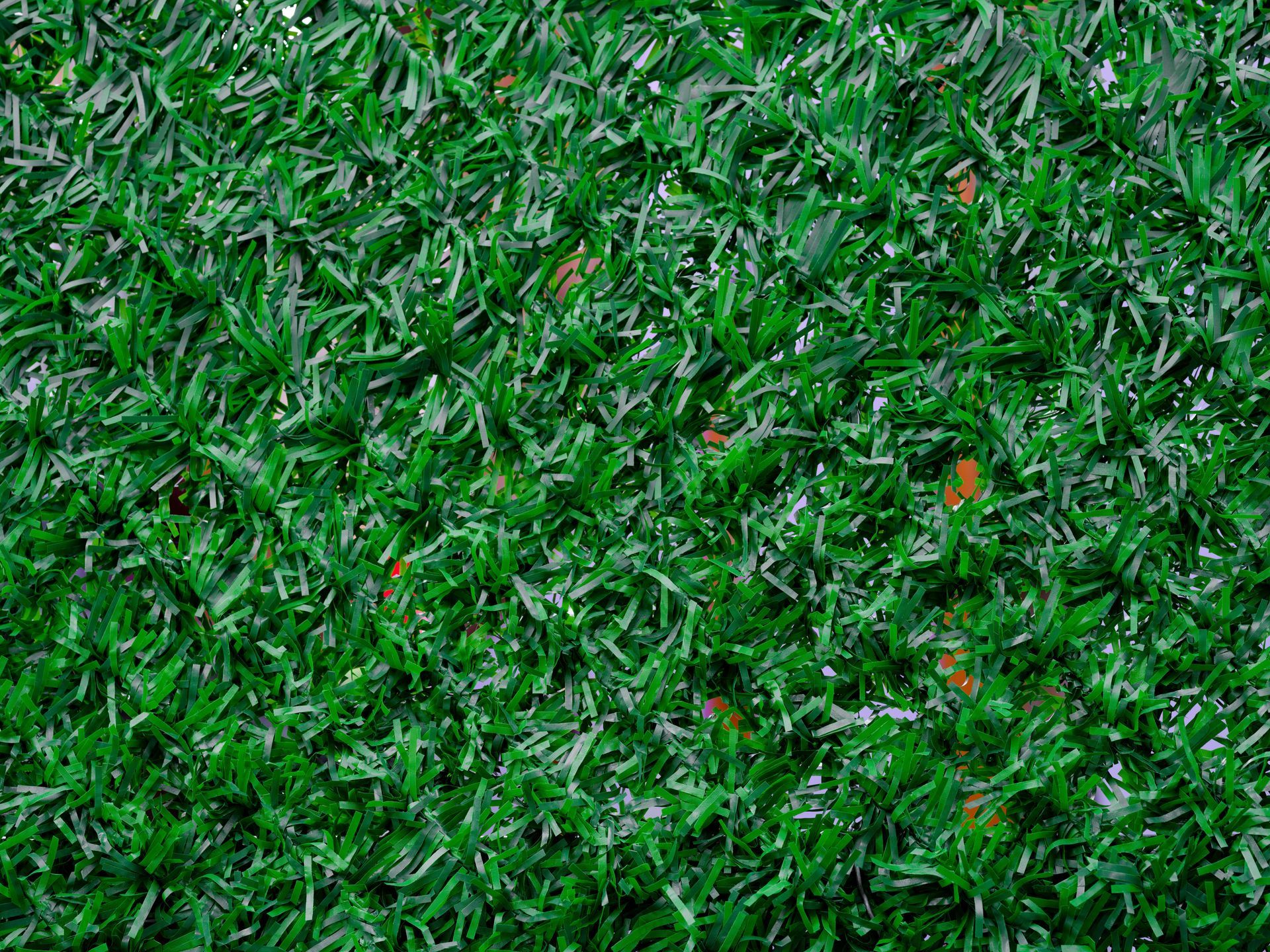
Environmental
Stopping toxic pollution & plastic waste & superheated surfaces
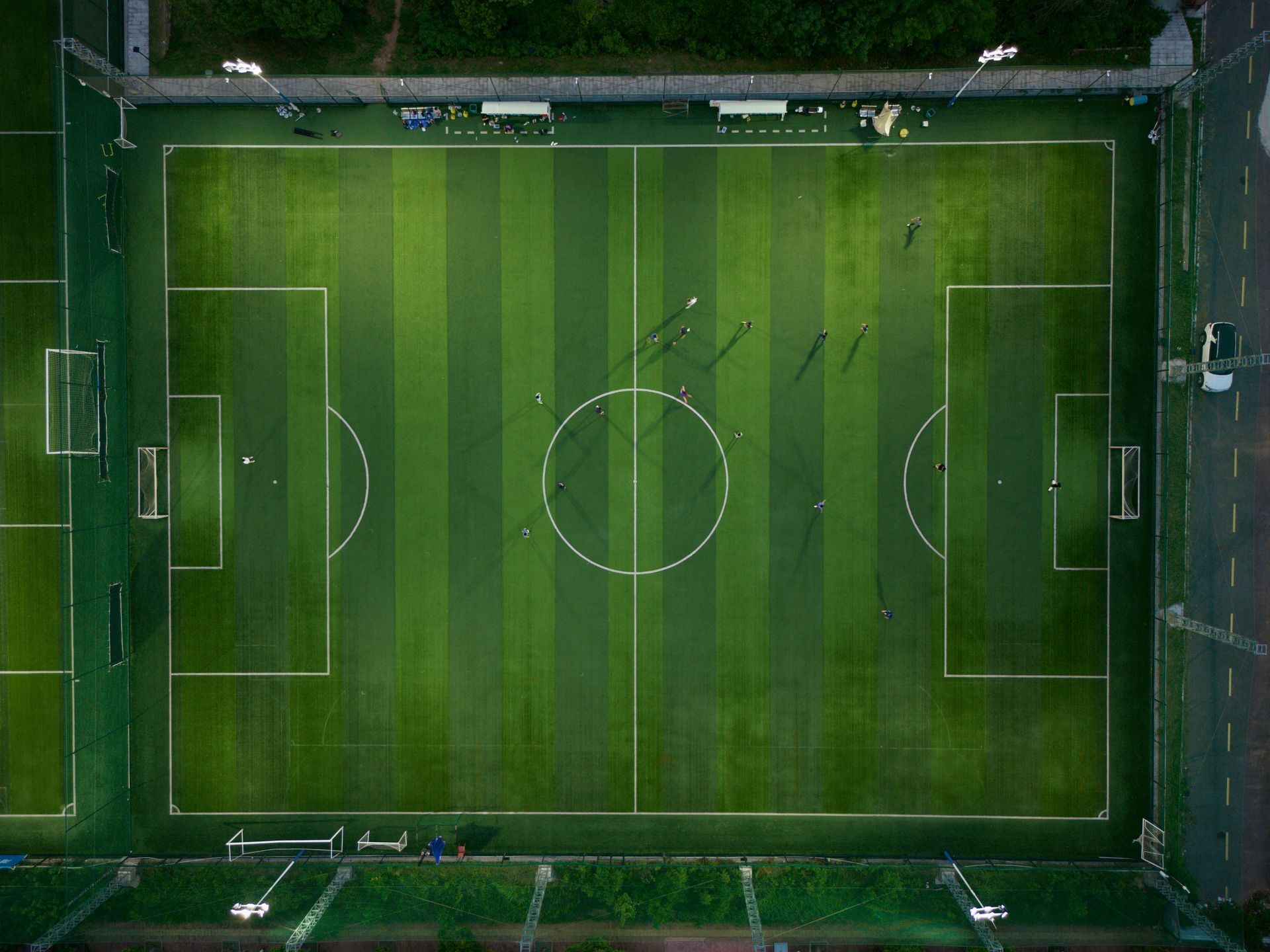
Fiscal Responsibility
Understanding the true cost of synthetic surfaces
Why Modern Grass Playing Fields
Lower Cost
Much lower installation cost. Resodding high use areas is quick & affordable. No costly replacements or disposals.
Safer
Studies show modern natural grass is safer for heat & injury, & does not cause turf burn.
Natural
Plastics & other synthetics are known to be toxic to athletes & our environment.
Cooler
Modern grass fields are cooler & safer playing surfaces.
Articles & New Data

SHPFI welcomes your support, financial and otherwise.