
Plastic Pollution & Disposal
Forever Environmental Imprint
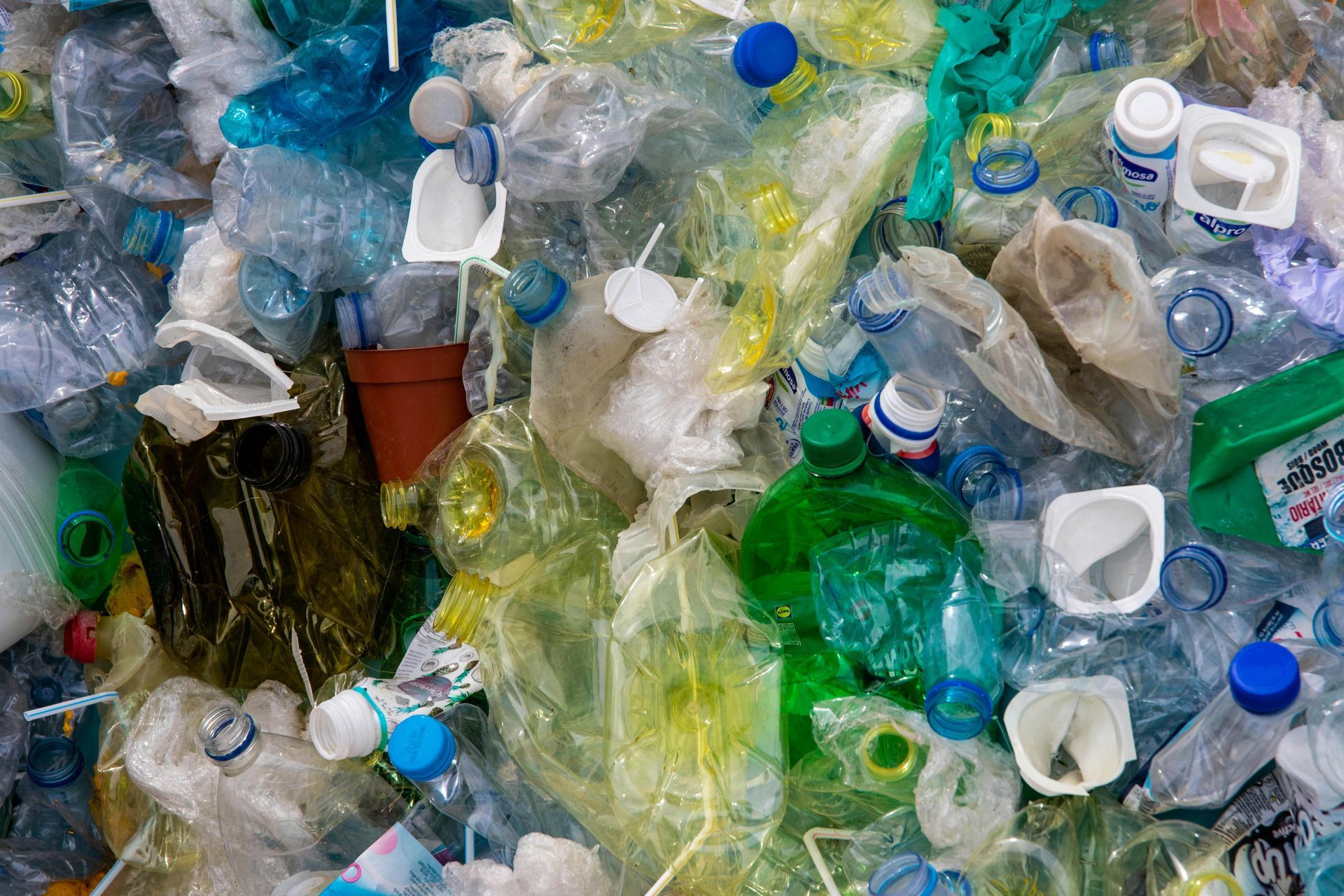
Artificial turf fields are often promoted as low-maintenance, but their environmental footprint tells a different story. Throughout their lifespan, these plastic-based surfaces shed microplastics from infill and fibers, contributing to ongoing pollution of nearby soil and waterways. At the end of use, disposal becomes an even bigger challenge: despite claims of recyclability, there are currently very limited, scalable, and truly effective recycling options, meaning most artificial turf ends up in landfills or is incinerated. Every synthetic field is a long-term waste problem. In contrast, well-managed natural grass fields provide a renewable, living surface that supports soil health, absorbs carbon, cools the surrounding environment, and does not generate plastic waste.
When factoring in the full lifecycle costs—including installation, maintenance, replacement, and disposal—artificial turf can be significantly more expensive than it first appears, while natural grass offers a more sustainable, cost-effective, and environmentally responsible solution.
Runoff: Microplastics and toxic infill migrate out of fields into local waterways.
Landfill Legacy: Most retired fields end up in landfills because there is no sustainable way to recycle the mix of plastic and rubber.
Facts
Environmental BenefitsCarbon
- Sequestration & Air Quality: Turfgrass captures \(\approx 300\text{ lbs}\) of carbon dioxide annually, trapping dust and pollutants. A 2,500 sq ft lawn produces enough oxygen for a family of four.
- Water Management & Filtration: Grass absorbs rainfall 4-6 times more effectively than hay or wheat fields. Roots hold soil in place, preventing erosion.
- Cooling Effect: Natural grass significantly reduces the urban heat island effect, staying 14-30 degrees cooler than bare soil or artificial turf.
- Biodegradation: Microbes in the root zone break down contaminants from rain runoff.
Athletic & Safety Benefits
- Reduced Injury Risk: Natural grass is more forgiving, reducing the risk of joint, muscle, and ligament injuries compared to harder synthetic surfaces.
- Fewer Abrasions: Eliminates "turf burn" associated with synthetic fibers.
- Temperature Safety: Stays significantly cooler, minimizing heat-related illness in athletes.
Economic & Sustainability Benefits
Long-Term Sustainability: Unlike synthetic turf, which requires costly replacement and landfill disposal, well-maintained natural grass can thrive for decades.Cost-Effective Management: Organic maintenance techniques (aeration, composting) build healthy, resilient soil that requires fewer inputs.Community Health BenefitsNoise and Glare Reduction: Grass softens noise, reducing it by \(40\%\) compared to hard surfaces, and reduces glare.Therapeutic Value: Provides safe green space for recreation.
Journals / Studies
Describe the item or answer the question so that site visitors who are interested get more information. You can emphasize this text with bullets, italics or bold, and add links.Legislation
Describe the item or answer the question so that site visitors who are interested get more information. You can emphasize this text with bullets, italics or bold, and add links.
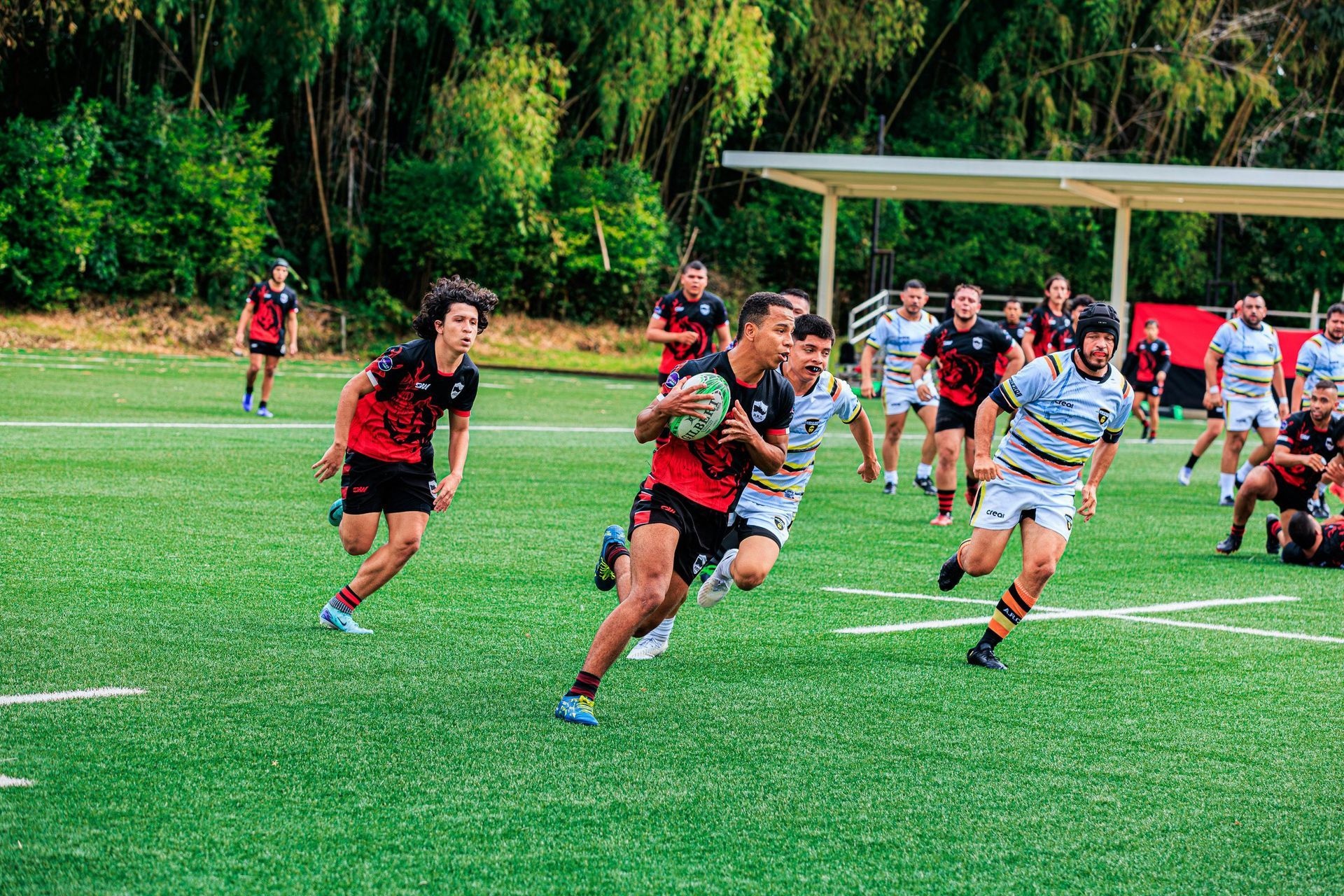
Natural Grass Playing Field
Semi professionals
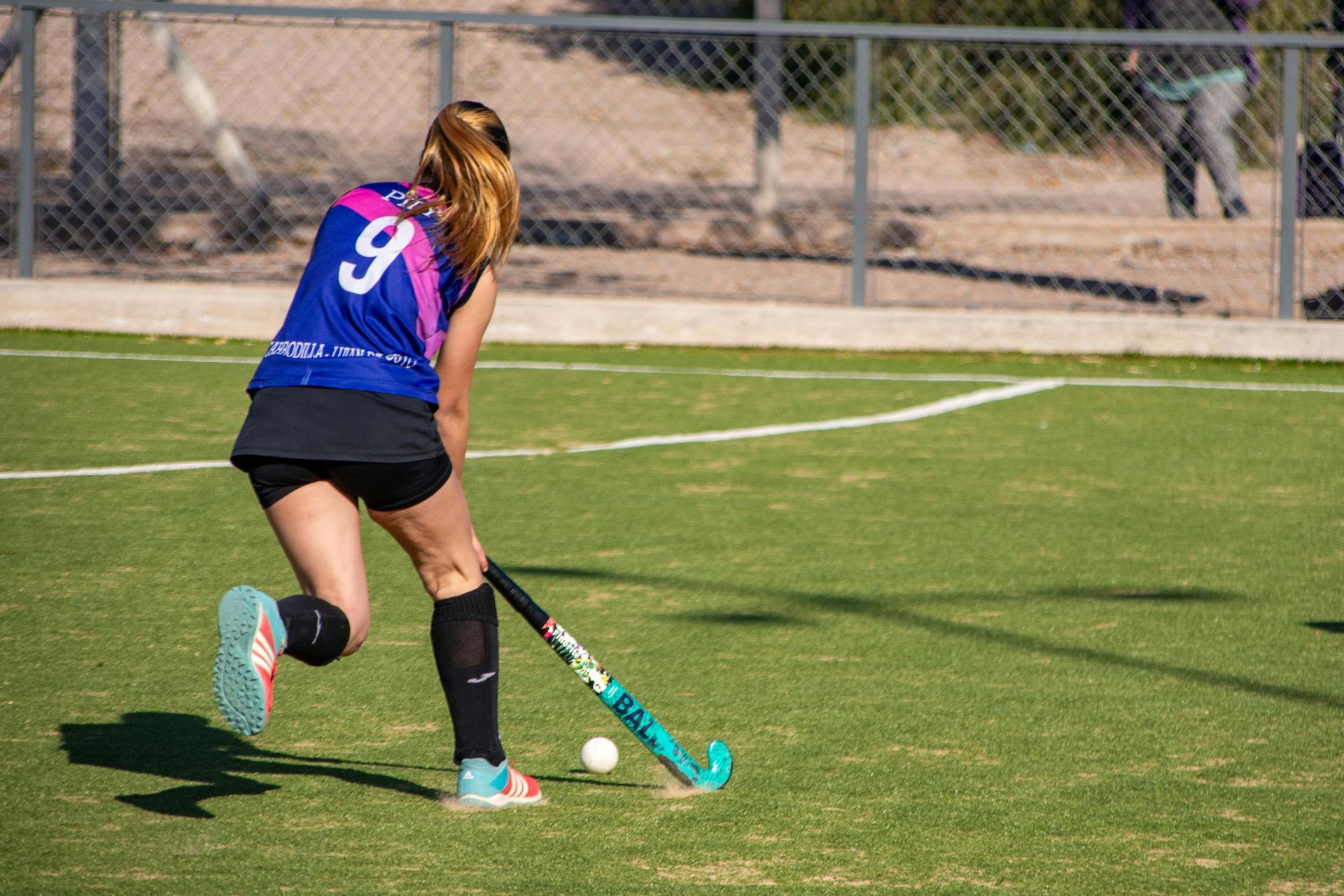
Natural Grass Playing Field
High School Athletes

Natural Grass Playing Field
College Athletes