


Independent Science on Public Health Concerns Regarding Synthetic Turf
Andrew Fraser • March 28, 2022
Grassroots Environmental Education

Clean up
First impression is everything! Clean up your home and make it spotless.
Organize everything, including closets
Don’t forget to check inside your closets and other hidden places. They will want to see everything.
Make Your home cozy and inviting
Add artwork, plants, dried flowers, candles and other things that will make the property feel homey.
Pets
Ask a friend to take care of your pet during the viewing.

Grassroots Environmental Education
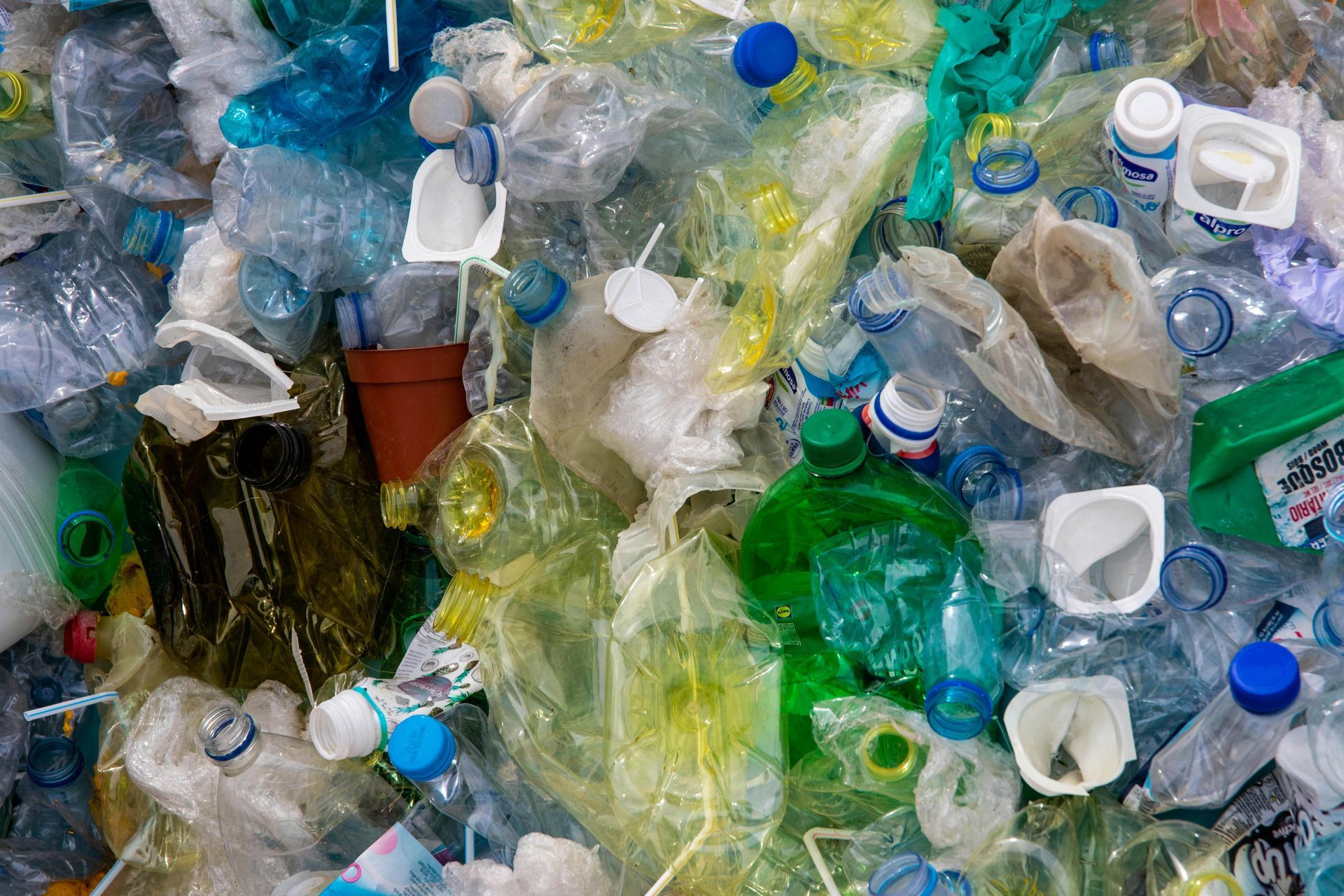
Goals for recreation, sports and play surfaces Preventing waste Promoting safe, healthy, non-toxic play Protecting green space Minimizing carbon footprint The Problem By the end of 2018 at least 45,000 acres of formerly vegetated land in the US had been covered by at least 100 million pounds of plastic and tire waste disintegrating into air, water, soil and people, before removal and disposal of the plastic (aka synthetic or artificial turf) fields and their synthetic granulated rubber infill. An equivalent amount of new petroleum-based plastic was, and will continue to be, used to create replacement fields, with more than 1000 new fields being installed per year according to the industry (if spread over the year that would average 3 or more per day).